
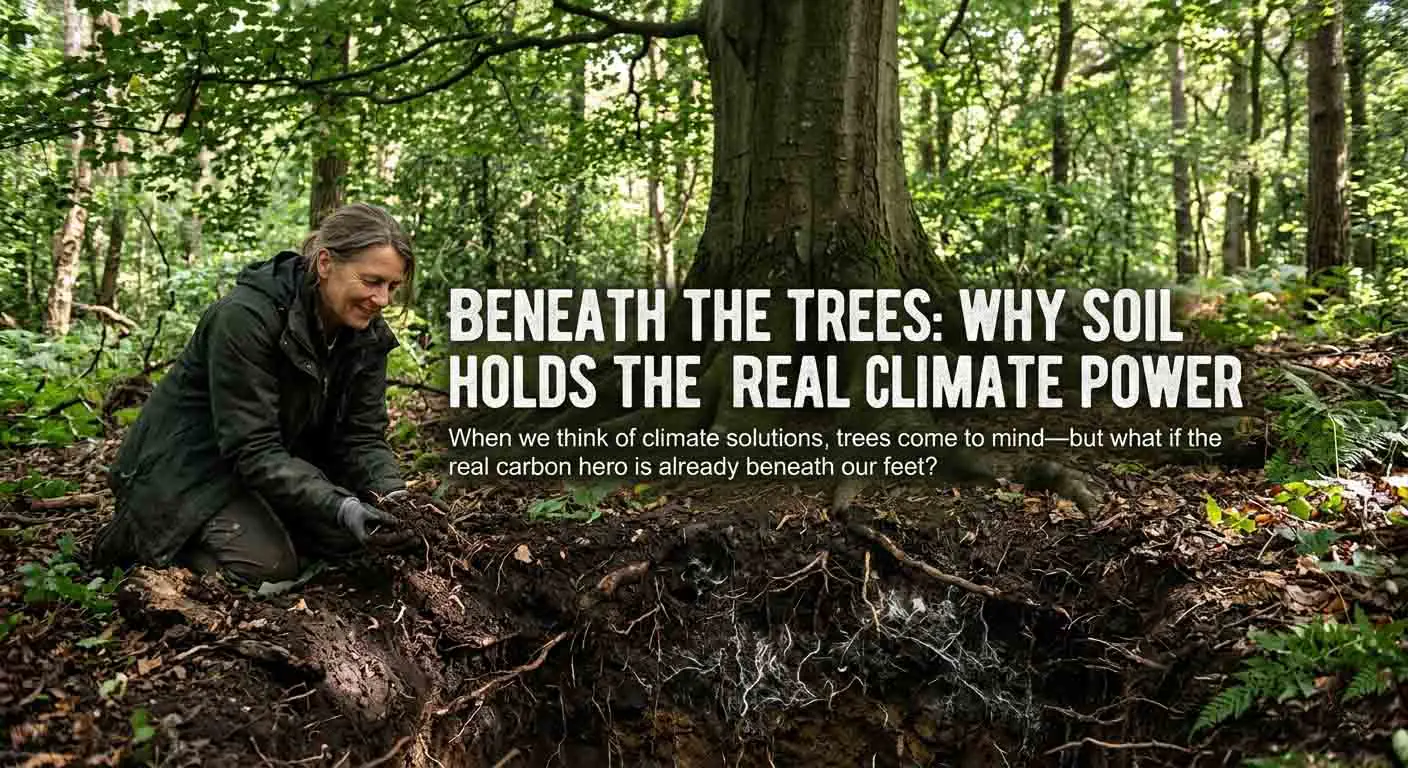
When we think of climate solutions, trees come to mind—but what if the real carbon hero is already beneath our feet?
Planting trees is often seen as the main climate solution in agriculture and land restoration. And while trees absolutely matter, the real long-term carbon bank lies beneath our feet: the soil.
This is where Soil Organic Carbon (SOC) comes in. SOC refers to the carbon stored in soil through organic matter such as plant residues, roots, microorganisms, and decomposed biomass.
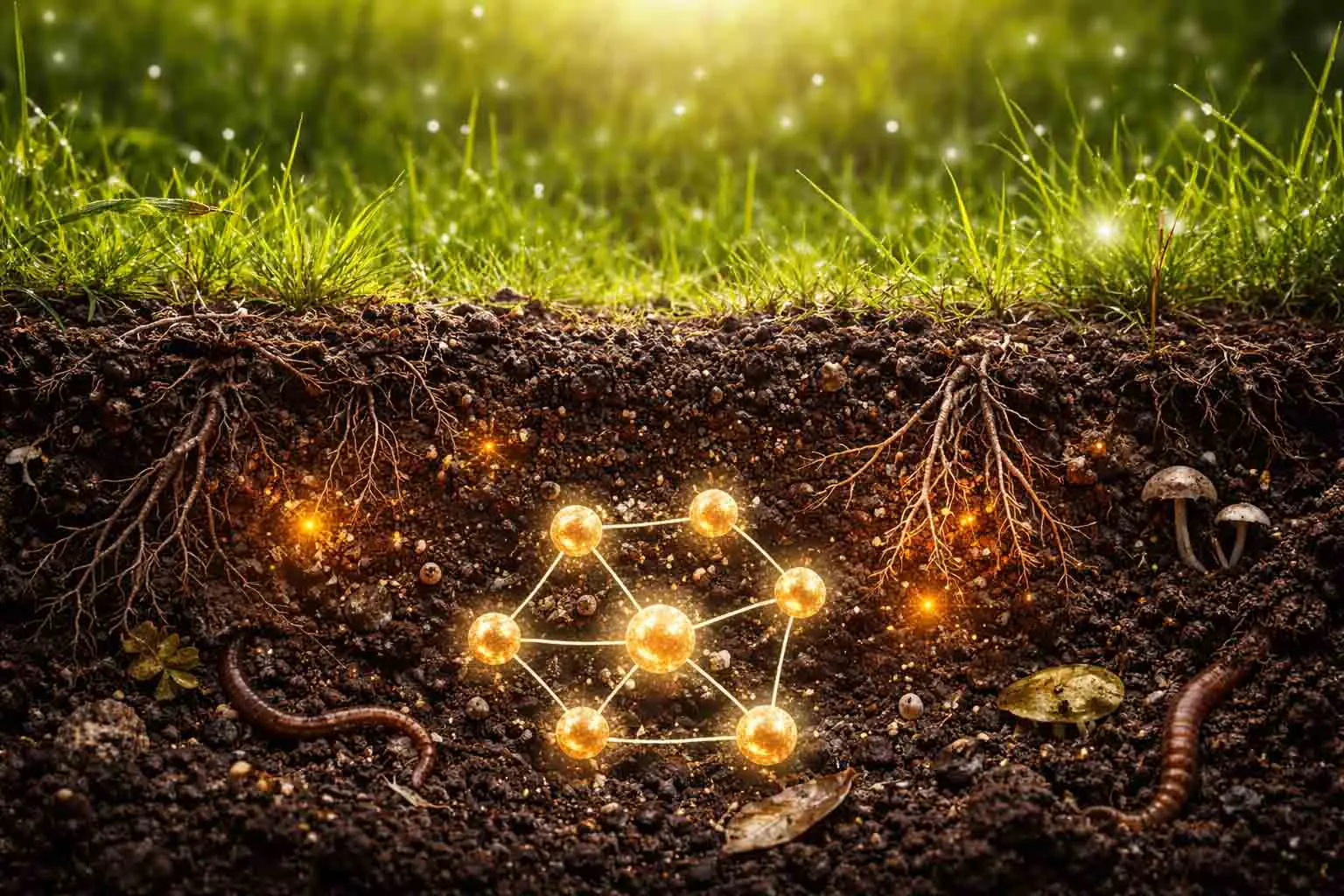
Why SOC matters?
Carbon sequestration: Plants absorb CO₂ through photosynthesis, and decomposing plant material adds stabilized carbon to the soil as SOC, helping remove CO₂ from the atmosphere.
Better soil structure: SOC helps soil particles form stable aggregates, improving aeration, root growth, and water movement.
Improved water retention: Soils rich in organic carbon hold more water, helping crops stay hydrated during dry periods.
Stronger microbial life: SOC feeds beneficial soil microbes that break down organic matter and release nutrients, supporting natural nutrient cycling.
Why Conventional Chemicals Can Harm Soil
Heavy reliance on synthetic fertilizers, herbicides, and pesticides can disrupt soil processes:
- Reduced microbial diversity and biomass
- Accelerated oxidation of organic matter
- Soil compaction and degradation of soil structure
- Lower long-term carbon storage
Over time, these factors can turn soil from a carbon sink into a carbon source.
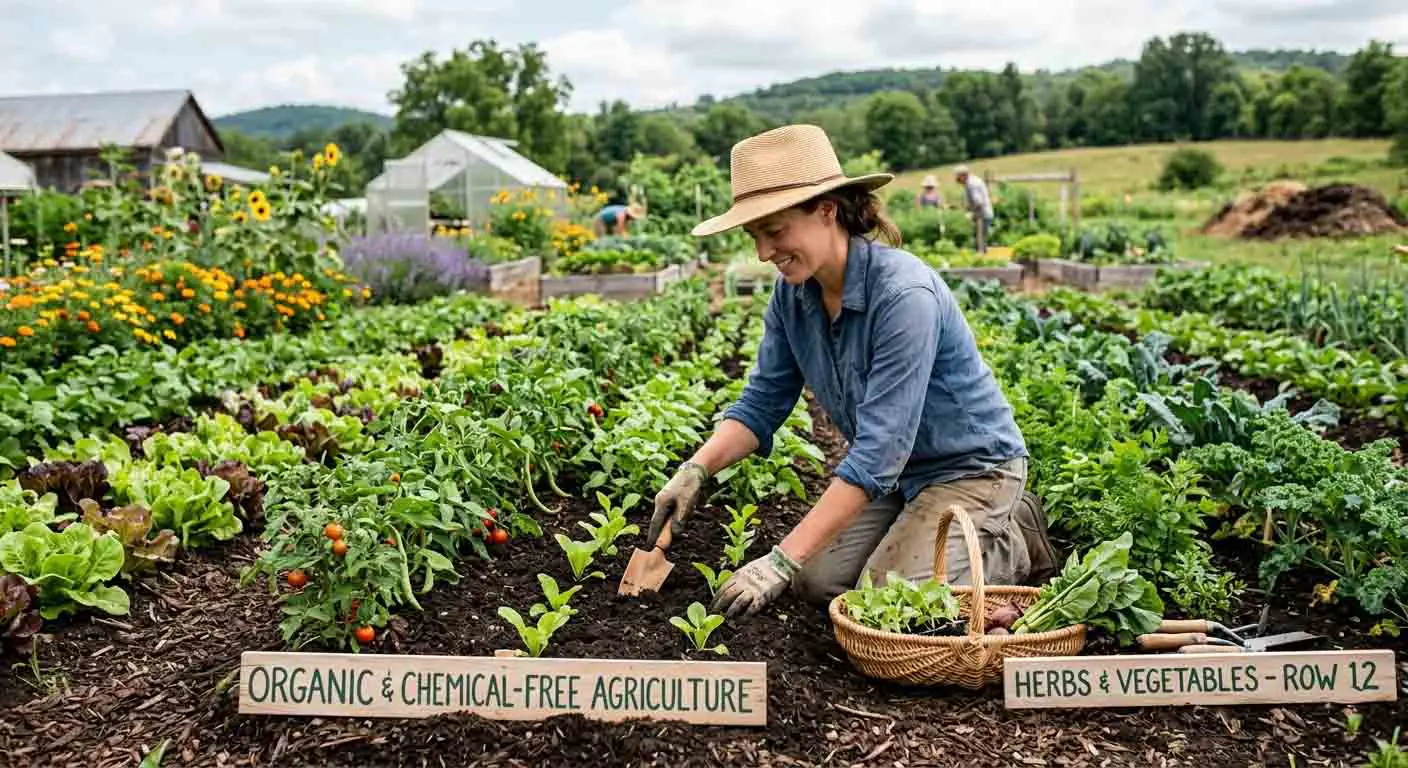
In Part 2, we’ll explore how chemical-free and regenerative practices can unlock soil’s full carbon-storing potential—turning the ground beneath us into a living, self-sustaining carbon bank.