
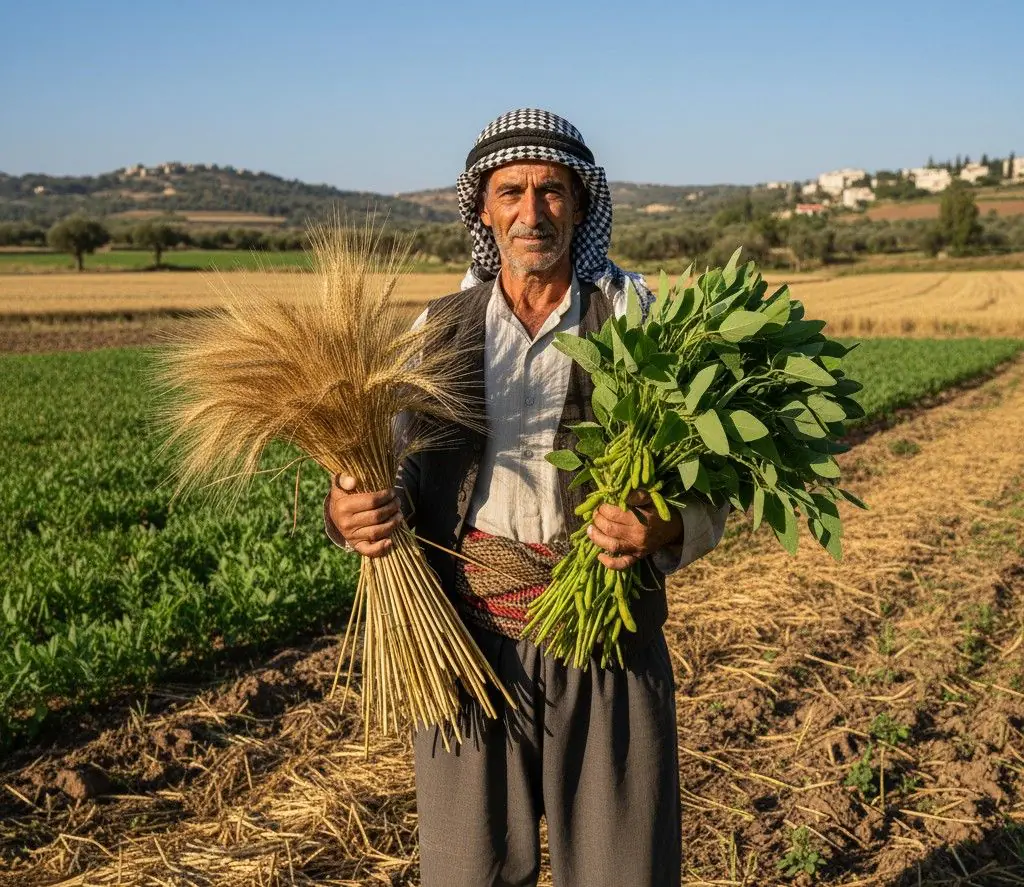
In today’s world, sustainable agriculture isn’t just a trend — it’s a necessity. One of the simplest yet most effective methods farmers use to keep their soil and crops healthy is crop rotation. But what exactly is it, and why does it matter so much?
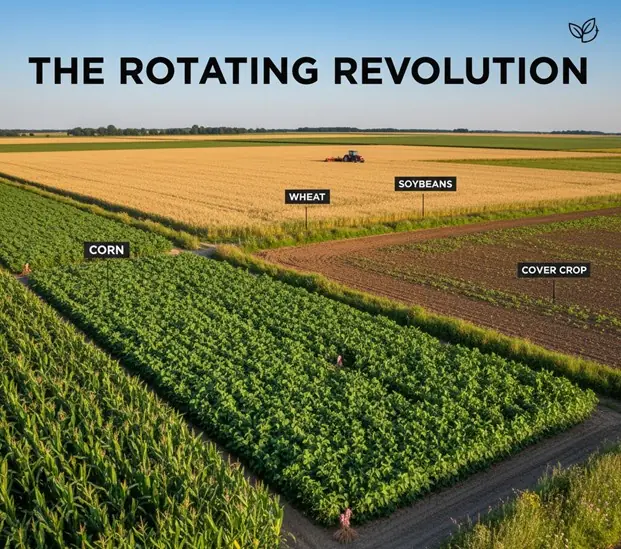
What is Crop Rotation?
Crop rotation is the practice of growing a series of different types of crops in the same area across a sequence of growing seasons. Instead of planting corn in the same spot every single year, a farmer can plant corn, then soybeans, then wheat, and then perhaps a cover crop. The specific sequence depends on the climate, soil type, and the farmer’s goals.
Key Benefits of Crop Rotation in Sustainable Agriculture
1. Improved Soil Health and Fertility:
Crop rotation enhances soil physical structure by reducing compaction and increasing aeration. Nitrogen-fixing legumes replenish nitrogen in the soil, while deep-rooted crops improve water infiltration and nutrient cycling. This balanced nutrient management reduces dependence on synthetic fertilizers.
2.Disrupting Pest and Disease Cycles
Monoculture (planting the same crop repeatedly) is an open invitation for pests and diseases specific to that crop to build up over time. Crop rotation acts as a natural disruption by:
- a. Starving Pests: If a pest thrives on corn, planting soybeans the next year effectively “starves” that pest, breaking its life cycle.
- b. Disease Prevention: Many plant diseases are crop-specific and can persist in the soil. Rotating to a non-host crop helps clean the soil of these pathogens, reducing disease incidence without relying on chemical treatments.
- 3.Economic and Environmental Sustainability
Crop rotation diversifies farm income by improving crop yields and quality, protecting against market and climate fluctuations. Environmentally, it reduces chemical inputs, lowers soil erosion, and enhances biodiversity, promoting long-term agricultural sustainability
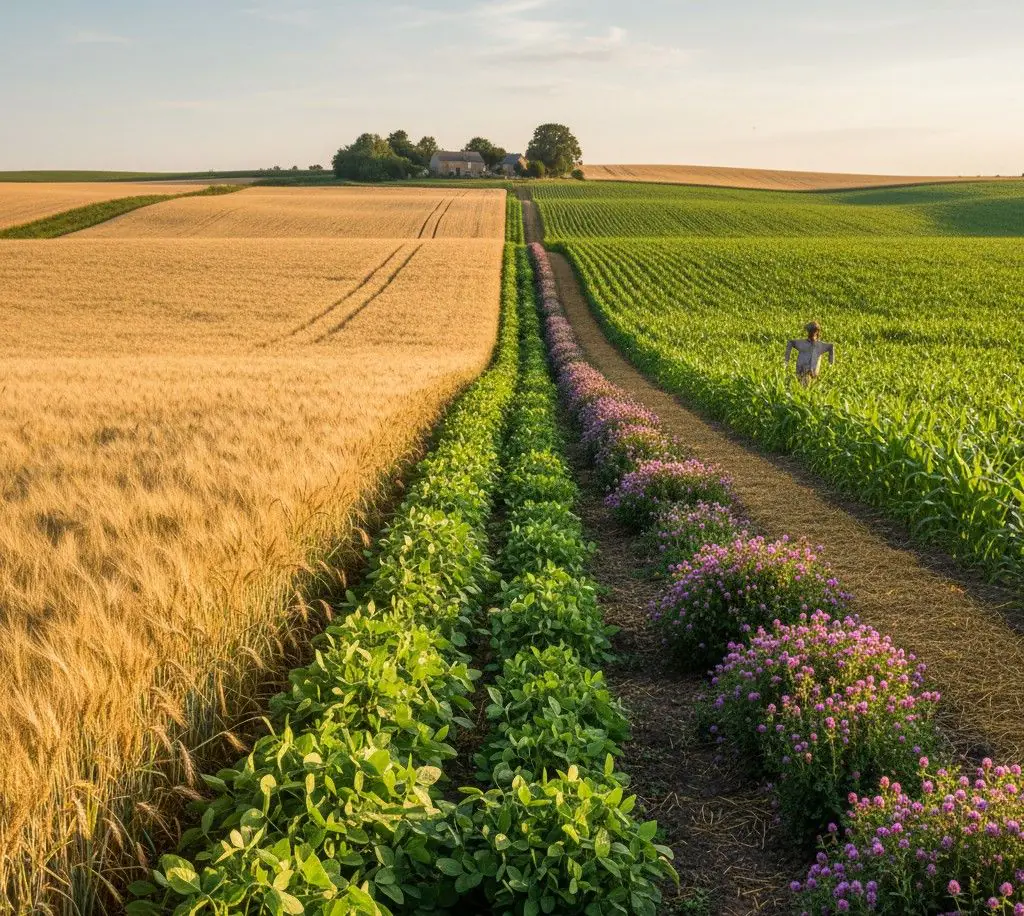
As summary, crop rotation is more than an old farming tradition. It’s a smart, science-backed practice that keeps agriculture sustainable. Whether you’re managing a large farm or a small garden, rotating crops helps nature do its work efficiently while ensuring productive harvests for years to come.