

As we explored in Part 1, soil holds massive carbon potential. Now, field trials around the world show that chemical-free and regenerative practices can dramatically boost Soil Organic Carbon (SOC)—turning soil into a living carbon bank.
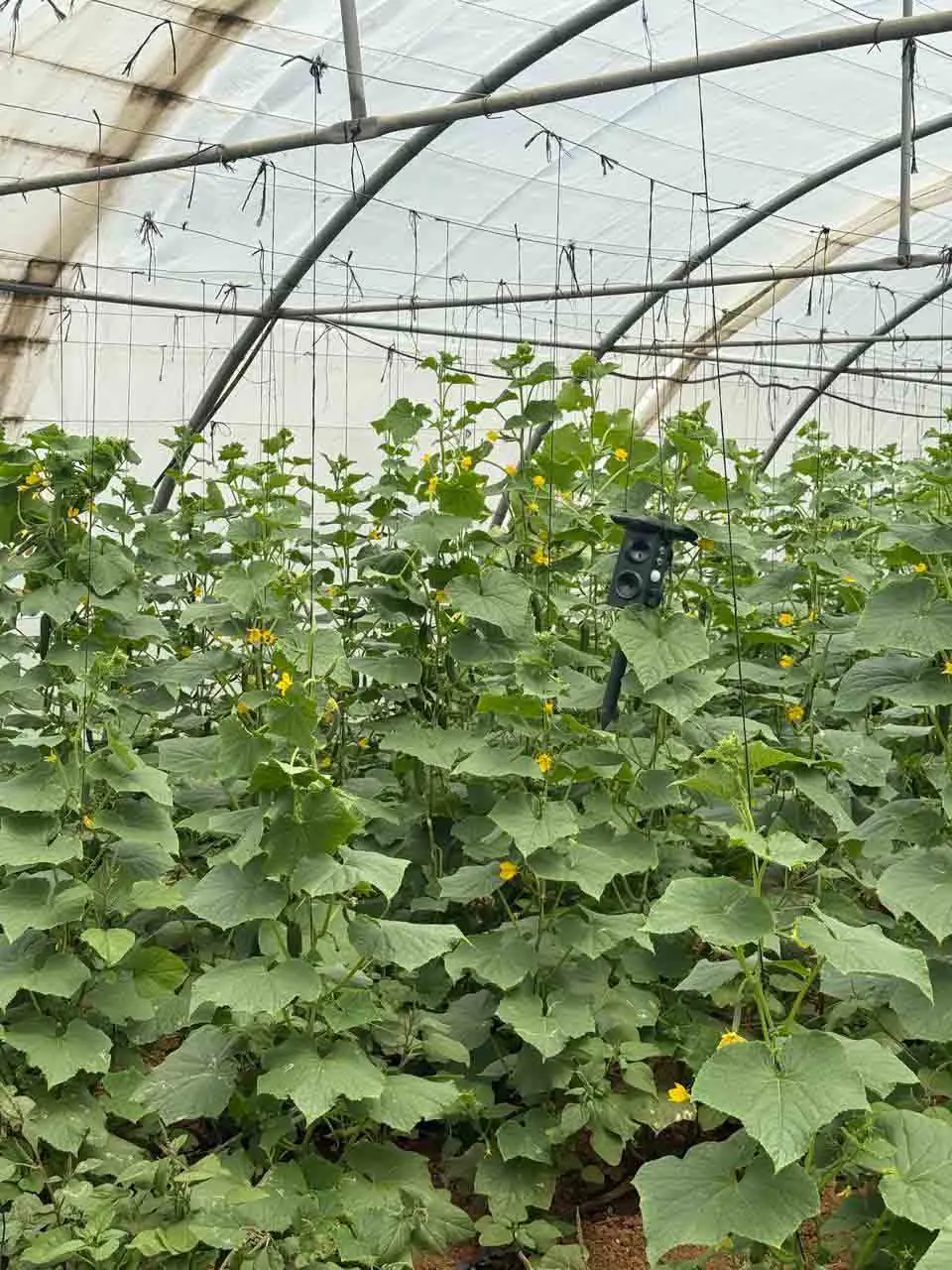
How does it work?
- Deeper, stronger roots: Plants grown without synthetic chemicals develop robust root systems that feed soil microbes, locking carbon into the soil.
- Thriving soil life: Fungi, bacteria, and earthworms convert plant residues into stable, long-lasting organic matter.
- Carbon protection: Healthy microbial biofilms and soil aggregates shield carbon from rapid breakdown.
- Continuous organic inputs: Practices like composting, cover crops, mulching, and reduced tillage keep the soil carbon cycle fueled over time.
By combining these approaches, soil becomes self-sustaining, storing more carbon while improving fertility, water retention, and resilience against climate stresses.
.
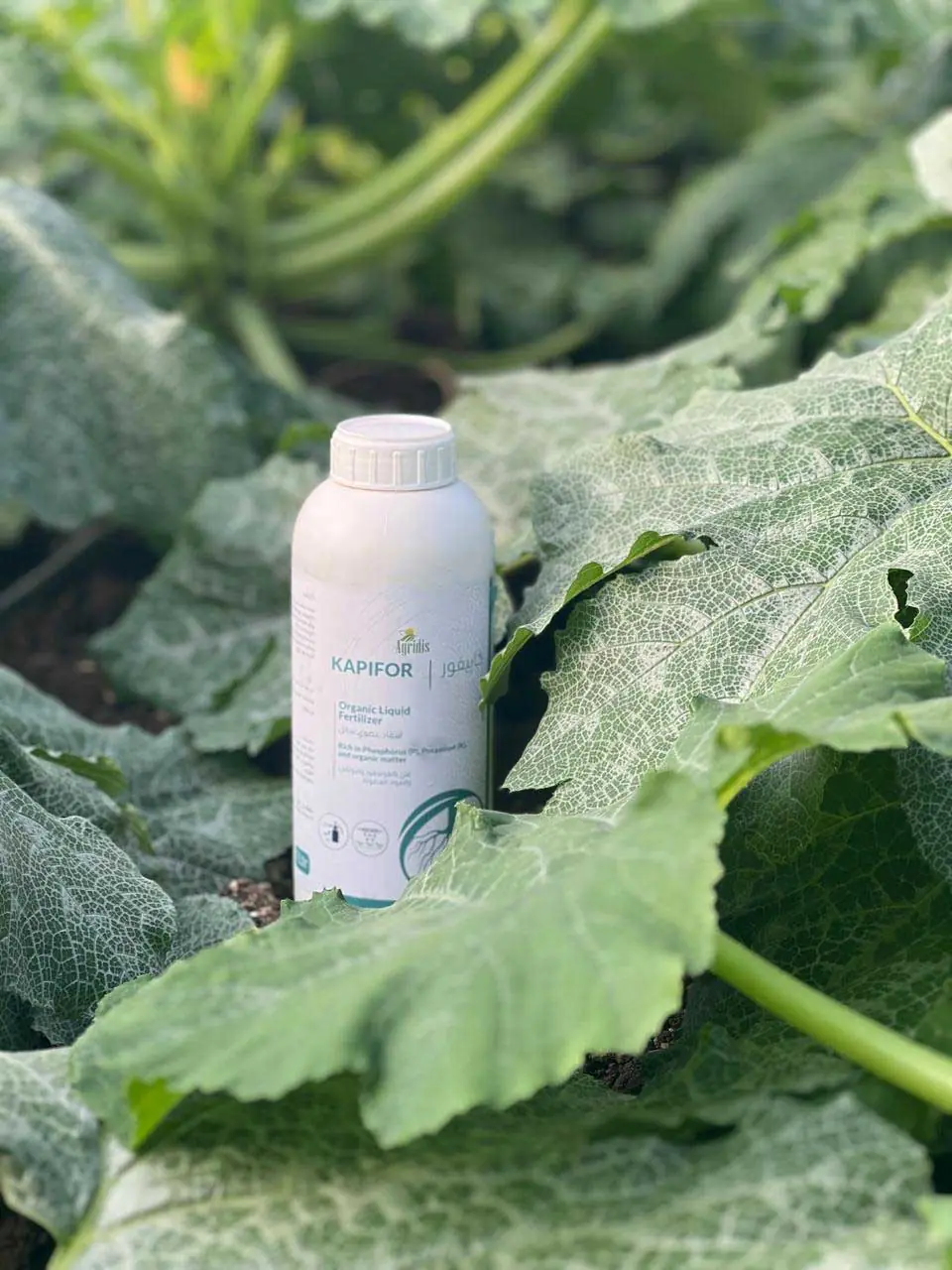
The Big Picture
Focusing on chemical-free soil management does more than grow plants—it transforms the ground beneath our feet into a powerful carbon sink, capturing CO₂ while supporting thriving, resilient farms. The real climate solution starts in the soil.