
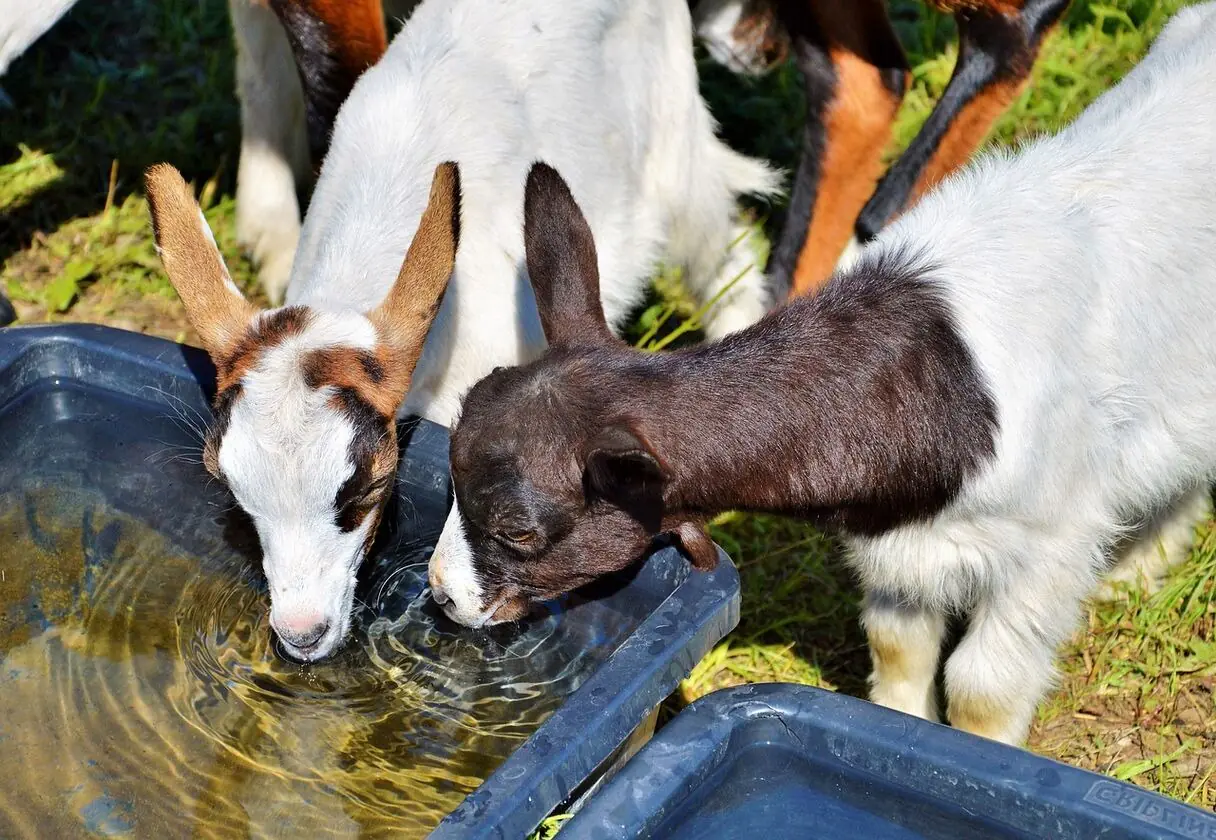
- The Hidden Impact of Contaminated Water on Livestock
Water is as essential as feed for livestock. It directly influences animal health, reproduction, milk yield, and overall productivity. Yet, it’s often overlooked as a potential source of disease. Contaminated water introduces harmful pathogens, chemicals, and pollutants that compromise animal welfare, reduce farm efficiency, and threaten food safety. Ensuring clean, safe water isn’t just a health precaution, it’s a pillar of sustainable and profitable livestock farming.
How Does Water Become Contaminated? Livestock farms typically get their water from rivers, ponds, wells, and troughs, all of which are vulnerable to contamination. Common sources include:
- Bacteria & Viruses: Animal waste, sewage leakage, and decomposing organic matter introduce pathogens such as E. coli, Salmonella, and Leptospira, increasing infection risks.
- Chemical Pollution: Runoff from pesticides, fertilizers, and industrial waste affects water chemistry and animal metabolism.
- Heavy Metals: Arsenic, lead, and mercury from soil or industrial discharge accumulate in animal tissues, causing chronic toxicity.
- Nitrates & Nitrites: Excess fertilizer or manure runoff leads to poor water quality and reduced oxygen availability.
Health Effects on Livestock:
Each contamination type leaves a distinct mark on animal health:
- Bacterial & Viral Infections: Cause digestive disorders, dehydration, mastitis, and weakened immunity.
- Chemical Exposure: Leads to organ damage, reproductive challenges, and reduced growth or milk yield.
- Heavy Metal Toxicity: Impairs the nervous system and kidneys, affecting growth and fertility.
- Parasitic Contamination: Triggers diarrhea, weight loss, and poor feed conversion rates. Even mild contamination, if prolonged, can quietly decrease animal performance and profitability over time.
Economic Impact on Farmers
Contaminated water doesn’t just harm animals, it hits the bottom line:
- Increased veterinary and treatment costs due to recurrent diseases.
- Reduced milk yield and growth rates, lowering overall productivity.
- Higher mortality rates, requiring costly livestock replacements.
- Potential regulatory or reputational risks if contaminated water affects food quality and safety.
Clean water is, quite literally, an investment in herd health and farm profitability.
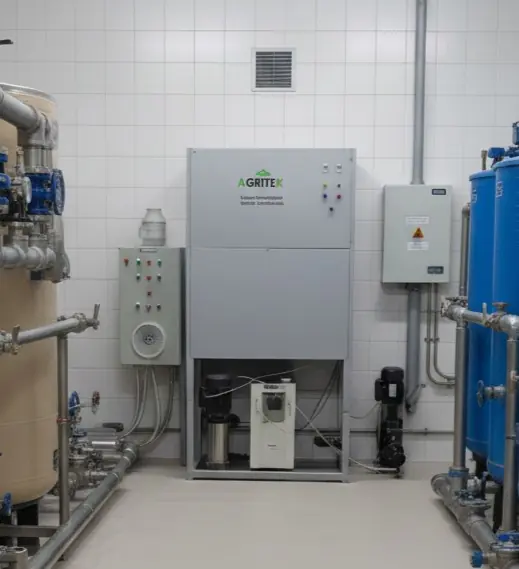
How to Ensure Safe Water for Livestock
Farmers can take practical steps to secure clean, disease-free water year-round:
- Regular Testing: Periodically analyze water for bacteria, nitrates, heavy metals,and chemical residues.
- Manure Management: Prevent runoff by properly storing and composting manure away from water channels.
- Filtration & Aeration: Use filtration systems and regular cleaning to prevent algae and sediment buildup.
Agritek’s Ozonation Water Treatment: A Smarter, Safer Solution
Using ozone, our system:
- Eliminates bacteria, viruses, and parasites effectively and safely.
- Oxidizes organic and chemical contaminants, improving water taste and odor.
- Leaves zero chemical residues, protecting animal health and milk quality.
Learn more about how Agritek’s water disinfection technology works on our
Disinfection Solutions Page.